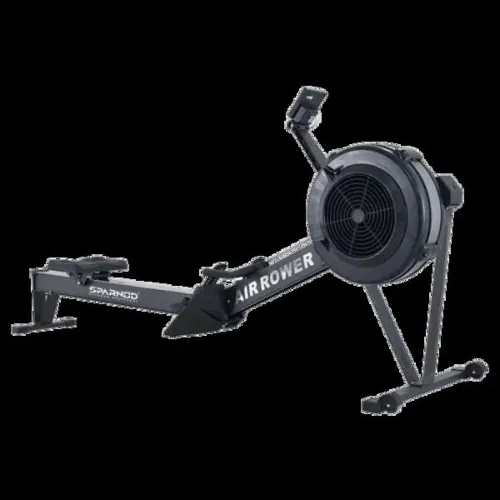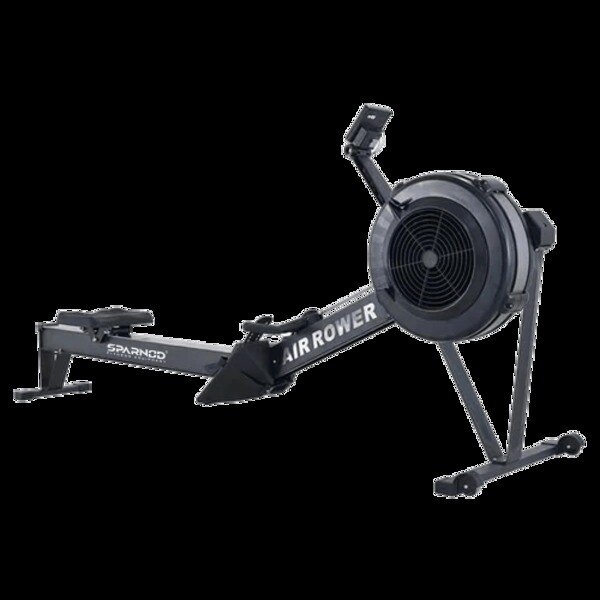
A rower that rocks, grinds, misreads distance, or produces uneven drag may have an assembly error, a worn part, a console fault, or behaviour that is normal for air resistance. By the end, you will have a short acceptance test, a supplier-question list, and clear evidence for deciding whether the SR-90 fits your gym floor and usage level.
Key takeaways
- Treat scraping, pulsing resistance, and heavy vibration as supplier issues.
- Test all 10 resistance levels at slow and fast stroke rates.
- Measure clearance, noise, and daily usage before ordering for your gym.
- Record monitor, frame, accessories, delivery, and service checks at acceptance.
Which SR-90 problems indicate a setup fault, wear, or a defective unit?
A normal air rower gets louder as stroke speed rises because the flywheel moves more air; damper positions also change airflow, not fixed kilogram resistance. Slight chain noise and a small seat-roller sound can be normal. Persistent scraping, pulsing resistance, excessive vibration, or missing monitor data needs supplier attention.
Use this separation during an unloaded check, then repeat with several firm strokes:
- Setup fault: rocking, frame movement, loose footplates, rail noise, or a seat that binds at one point. Check level flooring, levellers, fasteners, foot-strap adjustment, and rail cleanliness before blaming the machine.
- Wear: a dry or jerky chain, stretched strap, delayed handle return, rough seat rollers, or increasing fan vibration after repeated use. Ask for inspection and replacement intervals.
- Defective unit: fan rubbing the housing, uneven pull with a clean rail and tight fasteners, cracked frame parts, a handle that slips, or a monitor that remains blank after cable and battery checks.
- Stop use if the seat leaves the rail, the handle or chain snags, or a frame joint shifts under load. Record a video, serial number, damper position, and user weight for the supplier.
| Problem type | Likely explanation | Supplier action |
|---|---|---|
| Fan noise rising with speed | Normal air resistance | Confirm noise measurement and flywheel clearance |
| Rocking or roller rattle | Floor, levelling, or loose hardware | Correct setup, then inspect if it remains |
| Uneven pull or fan rubbing | Component fault | Arrange inspection or replacement |
| Blank or erratic monitor | Cable, battery, or console defect | Test connections and document the failure |
Label these checks clearly when discussing SR 90 commercial air rower problems.
How do you test all 10 resistance levels during a short trial?
Test all 10 settings with five steady strokes at each level, using the same stroke rate and effort. The damper changes airflow and feel; it does not represent ten fixed kilogram resistance values. Record whether the change is progressive, and stop if any setting produces rubbing, jolting, or a sudden loss of drag.
- Fan: confirm the flywheel spins freely, accelerates smoothly, and produces an audible but even airflow. Listen for scraping, clicking, wobbling, or a noise that rises independently of your stroke speed.
- Handle: check the grip, end caps, and alignment. Pull straight and confirm that the handle does not twist, stick, or contact the frame.
- Drive system: identify whether the machine uses a chain or textile strap. Look for chain rubbing, damaged links, sprocket noise, fraying, stretching, misrouting, or a recoil mechanism that fails to pull the handle fully forward.
- Return mechanism: release the handle after every stroke. It must return smoothly without slamming, slack, or hesitation; do not let it snap uncontrolled into the housing.
- Monitor: verify that every setting records stroke rate, time, distance, and calories consistently. Check that the display wakes, buttons respond, readings do not freeze, and the resistance or damper setting shown matches the selector.
- Seat: move through the full rail length under load. Check for side-to-side wobble, tight spots, rail noise, roller clicking, and a seat that fails to return level.
Finish by checking footplate tightness and frame movement, then record defects and commissioning results before accepting the unit.
Will the SR-90 suit your gym’s space, noise limits, and usage pattern?
Choose the SR-90 only if your room can absorb its airflow noise, operating footprint, and workload. A sr 90 rowing machine for gyms is not automatically suitable for repeated commercial use because “commercial” does not prove an ISO 20957 classification or unlimited daily duty.
| Option | Space and noise | Best fit |
|---|---|---|
| Air | Largest clearance around the fan; audible airflow, chain, seat-roller, and return noise | Experienced users, conditioning areas, and sessions where dynamic resistance matters |
| Magnetic | Quieter fan-free operation and usually easier volume control | Beginners, small studios, and group classes near instruction or reception areas |
| Water | Tank adds weight, depth, and sloshing noise; resistance feel changes with stroke rate | Users who prefer a water-like pull and facilities with adequate floor space |
Ask for the noise figure, measurement distance, operating speed, and confirmation that fan, chain, and seat noise are included. Compare the manufacturer’s maximum user mass with its rated user mass, frame-and-seat test method, daily session limit, intended-use class, and warranty terms.
Before specifying the machine, confirm approved vertical-storage orientation, locking mechanism, stored footprint, floor clearance, and whether repeated handling affects the monitor or recoil assembly. Request the full model code, revision, rating-plate photograph, serial format, and country of origin.
Get sweat, corrosion, cleaning-product, console, rail-maintenance, and commercial-use exclusions in writing; a long warranty is weak protection if those clauses remove your actual usage.
What specifications and delivery checks must be confirmed before acceptance?
Do not sign acceptance until the delivered SR 90 matches the quoted specification, fits the floor, and has a documented commissioning check. Measure the assembled footprint rather than relying on a catalogue drawing.
| Check | Operating position | Stored or moved position |
|---|---|---|
| Dimensions | Overall length, width, height; rail and flywheel clearance | Footprint, height, and floor clearance when vertical |
| Stability | Permitted floor slope, levelling adjustment, and soft-floor limits | Approved storage orientation and locking method |
| Loads | Maximum user mass and frame rating | Transport-wheel load and safe handling requirement |
| Noise | Measurement distance, fan speed, and whether chain and rollers are included | Any restriction on vertical handling affecting the monitor or recoil assembly |
- Photograph the rating plate and record the manufacturer, full model code, revision number, serial number, country of origin, and console version. “SR 90” alone cannot identify the delivered machine.
- Match the packing list against the rower, monitor, handle, chain or strap, footplates, foot straps, seat rollers, fasteners, tools, and manuals. Record dents, bent rails, missing covers, and damaged packaging before signing.
- Ask for the stated intended-use class, maximum user mass, test basis, operating environment, and applicable standard, such as ISO 20957.
Require an installation checklist showing frame-joint fastening, torque values where specified, rail alignment, levelling, footplate security, monitor setup, and resistance operation. Have the installer demonstrate the machine and provide signed commissioning records for every unit, not only one sample.
What service commitments should a Pune supplier put in writing?
Put response times, coverage, and remedies in the purchase order—not in a verbal promise. A commercial air rower supplier in Pune should identify the exact manufacturer, full model code, revision, serial-number format, rating-plate photograph, intended-use class, maximum user mass, and test basis, including ISO 20957 where claimed.
| Service term | Demand in writing | Why it matters |
|---|---|---|
| Warranty | Full duration, labour coverage, exclusions for sweat, corrosion, cleaners, unauthorised console changes, neglected chain or rail, and excessive commercial use | A headline warranty can exclude the failure you actually face |
| Spare parts | Stock status and maximum lead times for monitor, batteries, drive parts, seat rollers, foot straps, recoil parts, and fasteners | A small missing part can stop one machine for weeks |
| Technician | Pune service area, remote response time, on-site attendance deadline, and technician qualifications | Diagnosis without a visit does not restore equipment |
| Maintenance | Chain or strap type, lubrication and inspection intervals, cleaning method, inspection records, and parts included | Incorrect maintenance can void coverage |
| Fault reporting | Phone, email, required evidence, ticket number, and acknowledgement deadline | Verbal complaints are difficult to escalate |
| Escalation | Named service manager, replacement or loan-unit trigger, and remedy after repeated failures | Recurring breakdowns need a defined outcome |
Ask the fitness equipment supplier for SR 90 commercial air rower problems in Pune to record each fault against the serial number, not merely the invoice. Maxx Sportz and Fitness Pvt Ltd should be assessed by these same written commitments: compare downtime protection, not just quotation price.
Require confirmation of noise-measurement conditions and whether chain, fan, and seat-roller noise are included.
Related product
 | Gym Equipment's SR-90 COMMERCIAL AIR ROWER EXERCISE MACHINE The SR-90 Commercial Air Rower is a top of the line exercise machine that is perfect for anyone looking to get a great workout in. View product → |
Frequently asked questions
Which SR-90 problems indicate setup fault, wear, or a defective unit?
Slight chain noise and seat-roller sound can be normal. Persistent scraping, pulsing resistance, excessive vibration, or missing monitor data requires supplier inspection. Ask whether the cause is assembly, worn parts, or a defective unit.
How do you test all 10 SR-90 resistance levels during a short trial?
Move through levels 1 to 10 while rowing at both low and high stroke rates. Check that the damper changes airflow smoothly, resistance responds consistently, the flywheel stays balanced, and the monitor records each effort.
Will the SR-90 suit a gym’s space, noise limits, and usage pattern?
Measure the machine footprint plus operating and storage clearance, then test sound at normal and maximum stroke rates. Compare its expected daily sessions, user turnover, and maintenance access with your gym’s schedule.
What specifications and delivery checks must be confirmed before acceptance?
Confirm dimensions, machine weight, user capacity, monitor functions, included accessories, warranty terms, installation scope, and delivery condition. Photograph the frame, flywheel, chain, seat, monitor, and packaging before signing.
What service commitments should a Pune supplier put in writing?
Request written response times, installation responsibility, warranty coverage, spare-parts availability, preventive-maintenance visits, labour charges, escalation contacts, and the process for replacing a defective unit.